Pet-Friendly Deep Cleaning in Gurgaon: Hair, Odour & Safety
By Sachin Kumar, Founder — Sachin Deep Cleaning · Serving Gurgaon since 2015 · Non-toxic, pet-safe protocol
Quote Request Sent! We'll call you within 5 minutes.
Want faster reply? Chat on WhatsApp — our manager replies in under 2 minutes ↓
We will call:
Pet homes fail standard cleaning on three fronts: hair woven into upholstery past vacuum reach, odour soaked into grout and padding, and chemistry that trades one toxin for another. Our pet-safe protocol runs inside any home deep clean — enzyme treatment, extraction-first hair removal, non-toxic products, and sequencing that keeps animals calm. Newborn-plus-pet homes: add the baby-safe protocol.
Hair: Beyond Vacuuming
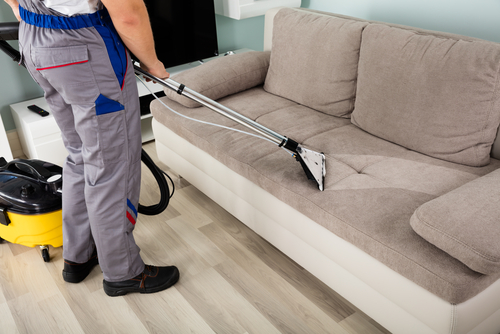
Rubber-broom agitation lifts hair vacuum brushes polish over, then wet-extraction pulls the undercoat from sofa weave, mattresses and rugs. The physics: pet hair carries static charge binding it to synthetic fibres — dry vacuuming passes over the bound layer while wet extraction breaks the charge and releases it. HVAC filters and returns accumulate the airborne fraction (filter washing belongs in every pet-home clean), ceiling fans distribute settled hair back onto cleaned surfaces (fans detailed before floors, never after), and washing-machine lint systems choke on pet loads (filter discipline prevents the grey-film redeposit cycle on laundry). Heavy-shed breeds get a double-pass as standard — mention the breed on booking so the crew carries the right heads.
Breed-by-Breed Hair Tactics
| Breed group | Hair behaviour | Protocol note |
|---|---|---|
| Husky, Chow, Spitz (double coat) | Seasonal undercoat blow, tufts everywhere | Double-pass extraction, post-blow scheduling |
| Golden, Labrador (dense short) | Year-round short-hair weave into fabric | Rubber-broom emphasis, frequent cycle |
| Persian, Maine Coon (long cat) | Long strands wrap and tangle in weave | De-tangle pass before extraction |
| Short-hair cats, Beagles | Fine short hair, static-bound | Anti-static finishing after extraction |
| Poodle, Shih Tzu (growing coat) | Less shedding, more dander + grooming debris | Dander-focused anti-allergen protocol |
Odour and Stains: Enzyme Truth
| Pet soil | Treatment | Outlook |
|---|---|---|
| Hair (all breeds) | Rubber-broom + extraction | Removed fully |
| Fresh urine / vomit | Enzyme digestion + extraction | Lifts well |
| Drool, paw prints | Degrease + mop detail | Removed fully |
| Litter tracking | Enzyme mop, tray-zone detail | Removed fully |
| Old heat-set padding stains | Deodorise + lighten | May not vanish |
Enzyme science in one paragraph: biological soils (urine, vomit, saliva, faeces) contain proteins, uric acid and fats that water and detergents move but don't digest — enzymes break these molecules into water-soluble fragments extraction then removes. Heat before enzymes sets protein bonds permanently (never hot-water a fresh urine spot before enzyme treatment). Fragrance masking is banned; neutralised means neutral, not perfumed.
Dogs vs Cats: Different Dirt, Different Sequence
Dogs track outdoor dirt and leave drool arcs on low upholstery — floors and low fabric get priority, and paw-print zones near entries get enzyme mopping. Balcony potty patches (common in high-rise dog homes) need dedicated enzyme treatment plus drainage flushing — concentrated outdoor-indoor transition soil. Cats distribute fine hair into every weave, mark vertically (spray zones need enzyme treatment at cat height, not floor level), and scatter litter in a radius around the tray that surprises owners. Scratching-post zones shed fibre debris distinct from pet hair (carpet and sisal particles needing dry extraction before wet passes). Multi-cat homes get the litter-zone detail as standard. Mention species and count on booking — the enzyme stock and sequencing genuinely differ.
Birds, Rabbits, Guinea Pigs and Fish: Small Pets, Specific Soils
Small pets concentrate intense soil in small zones — and their respiratory sensitivity (especially birds) constrains chemistry choices. Birds: seed-husk scatter radius (daily sweep zones), feather dust (fine keratin particulate coating nearby surfaces — damp-wipe, never dry-dust into the air birds breathe), and cage-tray hygiene (liner changes beat scrubbing for frequency). Rabbits and guinea pigs: hay dust (the dominant allergen in these homes — hay storage sealed, feeding zones vacuumed with HEPA filtration), bedding-change discipline (soiled bedding left more than 2–3 days drives odour exponentially), and corner marking (enzyme treatment identical to cat protocol at floor-wall junctions). Fish tanks: water-change splash zones (mineral deposits on nearby glass and sills), algae odour from neglected filters, and food-dust films — all wipe-cleanable with standard protocol. Reptile enclosures: substrate dust and heat-lamp baked soils need dry extraction first. Ventilation-first methods throughout small-pet zones (no aerosolised products near cages — ever), with pets relocated to closed rooms during any chemical phase regardless of species hardiness claims.
Shedding Seasons: the Gurgaon Calendar
Shedding follows daylight and temperature, not the wall calendar — but Gurgaon patterns run reliably. March–April spring blow is the heaviest event of the year for double-coated breeds (Huskies, Spitz, Chow Chows shed literal handfuls daily for 3–6 weeks); schedule the deep clean just after peak blow ends, not during (cleaning mid-blow wastes the pass within days). Summer (May–June) brings heat-shedding plus dust-bathing outdoor dirt in walking breeds. Monsoon (July–September) adds damp-dog odour and muddy-paw tracking to normal hair loads — entry-zone matting and paw-wipe stations cut indoor transfer dramatically. Autumn (October–November) carries a smaller secondary shed as winter coats grow in — the pre-Diwali clean absorbs it naturally. Winter is the lightest shedding season and the best value booking window for pet homes. Year-round baseline shedding (Labs, Beagles, short-hair cats) ignores seasons — these homes run the 3-month cycle steadily instead of chasing peaks.
Puppy and Kitten Toilet-Training: Cleaning Through the Phase
Training months soil homes faster than any other pet phase — and the cleaning strategy differs from maintenance cleaning structurally. Accident zones need immediate enzyme treatment every time (residual odour marks re-soiling spots for the animal — uncleaned zones literally train the puppy to repeat there), which means owner-side enzyme spray between professional visits, not instead of them. Washable runner protection over accident-prone routes (door-to-pad paths) contains damage to launderable layers during training. Crate training areas get bedding-wash discipline (weekly hot wash minimum). The professional pass during training focuses on odour neutralisation (breaking the re-mark cycle matters more than cosmetic perfection while accidents continue) with full cosmetic restoration scheduled for the month training completes. Scolding-adjacent advice stays out of scope — but the cleaning mechanics that make training succeed (odour removal breaking re-marking) are squarely ours, and trainers recommending enzyme protocol to every client confirm the loop from the other direction.
Litter Trays, Feeding Corners and Cages
Litter areas: tray surround scrubbed, tracking radius enzyme-mopped, wall splash zones wiped — the ammonia zone that owners go nose-blind to. Litter-type differences matter operationally (clumping clay tracks finest and farthest; silica tracks less but crunches underfoot audibly; paper and wood pellets track least but need frequent full changes — the tray surroundings are cleaned to the litter type, not generically). Feeding corners: dried food and water-bowl biofilm degreased (slime layers in water bowls harbour bacteria visibly within days — bowl hygiene is pet health, not home aesthetics), mat washed, ant-trail entry points sealed-clean. Cages and carriers: bars wiped, trays soaked. These micro-zones take 30 minutes total and remove the odour sources that whole-home mopping never reaches.
Human Allergies in Pet Homes: Dander Control That Works
Pet-allergic owners who won't rehome (most) need exposure management, not sympathy. The hierarchy by effectiveness: bedroom exclusion zones (no pets on beds, ideally not in bedrooms — the single largest exposure cut available, free); HEPA air purification in bedrooms (captures airborne dander continuously between cleans); hard-floor preference over carpeting in pet zones (dander releases from hard floors with mopping; carpets reservoir it for months); weekly hot-wash of pet bedding and throws (the reservoirs owners control directly); grooming with de-shedding tools outdoors (removes loose coat before it enters); and professional extraction quarterly (resets the accumulated baseline nothing else reaches). Dander (skin-protein allergen, not hair itself — hair is merely the vehicle) persists months in soft furnishings, which is why rehoming-level symptoms sometimes continue weeks after pet departure — extraction resolves the reservoir directly. Allergy testing confirms dander versus dust-mite drivers definitively; dual-sensitivity homes run both protocols (pet plus mattress extraction) in single visits.
Odour-Proofing Routine Between Deep Cleans
The weekly 30-minute routine holding professional results for months: washable throw rotation (sofa and bed throws laundered weekly — sacrificial textiles absorbing the soil that would otherwise reach upholstery); hard-floor enzyme mop in pet zones (weekly, not monthly — odour compounds non-linearly past seven days); soft-furnishing vacuum with upholstery head (twice weekly in heavy-shed homes); litter full-change plus tray scrub weekly (topping up without scrubbing grows the ammonia base steadily); food and water bowl wash daily (biofilm timeline, not aesthetics); entry mats shaken and washed fortnightly (paw-transfer accumulates invisibly); and HVAC filter check monthly (clogged filters recirculate dander continuously). Baking-soda sprinkling on rugs before vacuuming absorbs interim odour honestly (unlike fragrance masking — absorption, not cover). Households running this routine report subsequent deep cleans taking measurably less time; households skipping it pay the full ticket identically — the routine saves effort, never money, and effort is the scarcer resource.
New Pet Home Setup: Preparing Before Arrival
Pre-arrival preparation prevents the chaotic first month. Zone designation (sleeping corner, feeding station, toilet area, play space — decided before the animal arrives, not negotiated afterward); washable layers staged (throw covers on designated furniture, runner protection on accident routes, waterproof mattress protection fitted preemptively); supply stocking (enzyme cleaner, quality vacuum heads, lint systems, waste-bag stations at exits); hazard audit (toxic plants rehomed — lilies kill cats, sago palms kill dogs; chemicals locked; small-object sweep at pet height; balcony netting verified); and the welcome clean scheduled (full home reset the week before arrival — new animal enters neutral territory without previous-pet odour triggering marking behaviour). Shelter and breeder handovers should include the outgoing bedding unwashed for transition scent (familiarity reduces first-week anxiety measurably) — washed out in week two once settled. First vet visit within the week establishes the health baseline that all subsequent cleaning supports.
Post-Illness Sanitisation: Breaking Reinfection Cycles
Parvo, kennel cough, ringworm, gastroenteritis — recoveries fail when environments reinfect. Post-illness protocol: bedding hot-washed or replaced (pathogen load concentrates where the sick animal rested); bowls, crates and toys sanitised with veterinary-grade products (standard household cleaners underperform on parvovirus and ringworm spores specifically — product selection matters); floors and contact zones sanitised on the recovery timeline the vet specifies (too early wastes effort on shedding-phase recontamination; too late leaves exposure windows); and waste disposal discipline (infected waste double-bagged and exited immediately, never staged indoors). Ringworm cases add textile scope (spores survive months in fabric — curtains, throws and rugs in contact zones join the sanitisation pass). Multi-pet homes isolate-then-sanitise sequentially (sick animal zones first, common zones after clearance). Coordinate timing with the vet's all-clear — sanitising during active shedding burns money, and the confirmation call should ask directly about illness history so stock and sequencing match reality.
Safety Sequencing
Pets in one closed room with water, doors worked one at a time, floors dried before paws return, no phenol or concentrated bleach anywhere. Crew briefed on gates and escape-artist cats at arrival. Anxious and reactive animals go off-site (neighbour, daycare, family) rather than merely closed-room — stress behaviours (escape attempts, aggression, destructive panic) endanger animals and crew alike, and no cleaning ticket justifies the risk. Exotic pets (parrots, reptiles, aquaria) get species-specific briefings: no aerosols anywhere near birds (respiratory sensitivity is extreme — ventilation-first methods only), aquarium rooms worked without chemical spray phases, reptile heat setups left powered and untouched. Post-clean reintroduction is gradual (one room at a time, familiar scents first) — homes smell different after deep cleans, and sensitive animals settle faster with staged return.
Pet-Home Calendar and Costs
| Household | Deep-clean cycle | Upkeep between |
|---|---|---|
| Single short-hair pet | Every 4 months | Monthly upkeep visits |
| Heavy-shed breed | Every 2–3 months | Fortnightly upkeep |
| Multi-pet home | Every 2–3 months | Fortnightly upkeep |
| Training phase / illness recovery | Monthly passes | Weekly touch-ups |
Fixed BHK rates apply identically — pet protocol adjusts method and stock, never the ticket. Mention pets, count and breed on the confirmation call for enzyme stock. WhatsApp +91 92679-05943 or book in the app. Pay after walkthrough.
Three Real Pet-Home Jobs: Notes
Sushant Lok, 2 Huskies, spring blow season — full day
Undercoat tufts drifted visibly across floors; double-pass extraction on three sofas plus mattresses; HVAC filters washed (caked solid); entry matting upgraded on recommendation. Post-blow scheduling meant results held months. Dogs daycared off-site for the day — zero stress incidents.
Sector 57, 3 cats, litter-tra tracking complaint — standard visit
Tracking radius mapped (12 feet from trays — owners estimated three); enzyme mopping across the full radius; vertical spray zones treated at cat height; litter-type change recommended (clumping clay to paper pellets cut tracking measurably at follow-up). Vertical blinds replaced-marked where spray had damaged cords.
Golf Course Road, parvo recovery, single pup — sanitisation pass
Vet-coordinated timing post-clearance; bedding replaced (beyond economical treatment); crate, bowls and floors sanitised with parvo-effective products; common areas sequenced after isolation zones. Follow-up protocol briefed for the vaccination-gap months. Billed as standard visit — illness work carries no surcharge, ever.
Pet Doors, Balconies and Outdoor Access Points
Access architecture determines indoor soil more than any cleaning product. Pet doors (flap installations in utility doors and balcony panels) concentrate traffic through washable transition zones — the 2-metre radius around every pet door needs washable flooring, wiped daily, with entry matting on both sides. Balcony potty patches (grass pads, designated corners) require the outdoor-indoor hygiene bridge: enzyme treatment on the patch plus drainage flushing, since concentrated urine on balcony tiles migrates through grout into the rooms below over time. High-rise balcony safety is non-negotiable context — netting integrity verified (cats fall from "safe" balconies with grim regularity; net gaps widen yearly as fittings loosen), railing gaps measured against pet size, and pigeon-netting maintained (it doubles as cat containment where properly tensioned). Outdoor-access cats track the full urban catalogue indoors — litter-tray provision even for outdoor cats concentrates waste manageably instead of distributing it through garden beds and neighbours' complaints. Society pet policies (leash rules, lift etiquette, vaccination proof requirements) should be confirmed before access changes — RWA pet committees exist in most large Gurgaon societies, and compliance prevents the conflicts that end with restricted pet movement.
Multi-Pet Households: Territory, Resources and Cleaning Load
Each additional pet multiplies soil super-linearly — two dogs generate roughly triple the single-dog load (interaction play, competition marking, shared-zone concentration), and three cats need four litter trays by the n-plus-one rule, each a maintenance point. Territory mapping matters for cleaning allocation: resource-guarded zones (feeding stations, favoured resting spots) soil heaviest and need priority passes; inter-pet conflict zones (doorways, narrow passages) accumulate stress-marking requiring enzyme treatment beyond normal soiling; and separate-species homes (dogs plus cats, cats plus birds) need zone-segregated protocols since prey-stress affects small animals measurably. Feeding stations multiply — separate bowls per animal minimum (shared bowls transmit illness and trigger resource guarding), each station with washable matting extending a metre in every direction. Litter logistics scale brutally: scooping frequency must rise with cat count (unscooped trays drive out-of-box elimination — the commonest multi-cat complaint, solved by scooping discipline, not cleaning chemistry). The professional cycle shortens to every 2–3 months unconditionally for multi-pet homes, with fortnightly upkeep — the calendar from the costs table, applied without exception.
Senior Pets: Incontinence, Mobility and Comfort Care
Ageing pets (dogs past 10–12, cats past 14–16) shift the cleaning profile from hair management to dignity care. Incontinence arrives gradually — first overnight dribbling, then daytime incidents — and washable waterproof layering (mattress-style protectors cut to pet-bed size, washable pee pads in layers so soiled top layers lift off revealing fresh ones beneath) manages it without restricting the animal's remaining mobility. Mobility aids reshape rooms: ramps over stairs (carpeted for grip, wiped for soil), non-slip runners on marble and tile (falls injure arthritic animals seriously — runner placement is safety equipment, not decor), raised feeding stations (neck-strain reduction doubles as spill containment), and orthopaedic pet beds (pressure relief, with removable washable covers on weekly laundry). Cognitive decline brings night vocalisation and disorientation soiling — patience plus washable infrastructure, never punishment. Medication schedules (joint supplements, cardiac drugs, thyroid) need clean administration zones. The professional pass for senior-pet homes emphasises odour neutralisation (age-related incontinence odour permeates steadily), pathway cleaning (the animal's fixed routes soil linearly), and bedding sanitation. End-of-life care deserves the elder-care parallel from general home-care guidance: dignity-first handling, discreet scheduling, direct family communication — the most sensitive work after human elder care, handled with identical gravity.
Pet Food Storage: Kibble, Raw Diets and Pest Prevention
Pet food storage fails identically across Gurgaon homes — open bags in humid utility corners breeding weevils and mould within weeks. Kibble discipline: original bags inside airtight containers (bag-in-bin preserves batch codes for recall tracking while sealing freshness), cool dry placement (balcony and terrace storage cooks nutrients and grows mould — indoor utility rooms only), and scoop hygiene (dedicated scoop, washed weekly — hands and used bowls contaminate bulk stock directly). Raw and fresh-food diets add refrigeration discipline (thawing protocols — fridge-thaw only, never countertop — plus prep-surface sanitisation identical to human raw-meat handling, since the pathogens don't distinguish species). Treat storage follows the same airtight rules; dental chews and rawhides left around collect dust and harbour bacteria — basket-contained, rotated, discarded past date. Pest cascade prevention matters most: open pet food feeds cockroaches, ants and rodents that then colonise human food zones — sealed pet-food storage is human-kitchen pest control by extension. Bulk-buy economics (large bags cost less per kilo) only work with decanting discipline; otherwise half the saving feeds pests or spoils in humidity.
Home Grooming Zones: Baths, Blow-Drys and Nail Trims
Home grooming concentrates the mess professional groomers contain by design — zone it deliberately. Bath zones: bathrooms work (tiled, drainaged, closable) with non-slip matting essential (panic on slick tubs injures animals and handlers alike); water temperature discipline (lukewarm only — hot water burns thin-skinned breeds, cold water shocks); and drain-hair management (tub shrooms or strainers — pet hair mats plumbing exactly like human hair, and Gurgaon plumbers charge identically). Drying stations: high-velocity dryers need ventilated rooms (heat plus humidity in closed bathrooms fogs everything and stresses animals); towel stages (absorbent first pass before any heat — heat on dripping coats wastes time and risks burns); and post-bath zoomie containment (wet dogs sprint — fragile décor moved preemptively, doors closed strategically). Nail-trim zones: paw handling on non-slip surfaces with styptic ready (quicked nails bleed dramatically but harmlessly — preparation prevents panic); clipped-nail debris swept immediately (stepped-on clippings embed in feet, human and animal). Brushing stations (the daily habit preventing professional extraction overload): outdoor or balcony brushing where society rules allow (loose coat captured at source never enters), tool-appropriate brushing (slicker for tangles, undercoat rake for blow season, rubber curry for short coats — wrong tools damage coat and skin equally).
Pet Travel: Carriers, Cars and Boarding Prep
Travel with pets soils in transit and destabilises routines at both ends. Carrier discipline: hard-shell carriers wiped and aired before every trip (residual odour stresses animals measurably — familiar-clean beats unfamiliar-dirty); bedding changed per trip; water bowls spill-proofed. Car travel: seat covers fitted (upholstery extraction after unprotected pet transport costs multiples of cover prices), ventilation managed (never sealed cars in Gurgaon heat — fatal within minutes, the grimmest and most preventable pet emergency), and post-trip car-cabin extraction where shedding was heavy (our vehicle-cabin service runs within pet scopes on request). Boarding prep: vaccination proof current (kennels require it — lapse discovers itself at drop-off, catastrophically timed); familiar bedding sent along (scent continuity reduces boarding stress behaviours including elimination); and the home deep-cleaned before departure (returning to a reset home after boarding pickup closes the travel loop cleanly). Post-boarding homecoming needs the full reset pass — kennel odours, travel stress-shedding and routine disruption soil distinctively, and the scheduled clean absorbs it all in one visit.
Festivals with Pets: Fireworks, Colour and Crowds
Diwali fireworks terrorise pets sonically — and terrified animals eliminate, drool, shed and hide in the least accessible home zones (under beds, behind wardrobes, inside lofts requiring post-festival extraction from exactly those refuges). Preparation: safe rooms designated in advance (interior rooms, windows closed, familiar bedding, white-noise masking — the anxiety-reduction protocol veterinarians recommend); walks scheduled before dusk peak-noise windows; and post-Diwali reset booked (soot particulate settles on every surface including pet zones; firework-debris outdoor areas cleared before pets re-access). Holi colour on animals is a toxicity question, not cosmetic — synthetic gulal irritates skin, eyes and airways (herbal-only play around pets, rinsing promptly with plain water on contact, vet consultation for ingestion or eye exposure). Crowded-house festivals stress territorial animals (separate retreat zones maintained throughout events, guest briefings on pet boundaries). Post-festival pet-zone reset runs with the main event scope — colour dust in pet areas needs extraction priority since animals groom it off coats directly into digestive systems.
Pet-Proofing New Homes Before Arrival
Pre-arrival proofing prevents the damage patterns every subsequent clean would otherwise chase. Toxic-plant audit (lilies, sago palm, dieffenbachia, oleander rehomed — the lethal common houseplants in Gurgaon homes); chemical lock-down (floor-level cleaners, pesticides, medications behind latched doors — curiosity kills through ingestion, not contact); balcony and window netting verified (falls kill and maim with regularity statistics that shock first-time high-rise pet owners); electrical cord management (chewing reaches live wiring in teething puppies and bored cats — cord concealers, not hope); small-object sweep at pet height (hair ties, rubber bands, coins — linear foreign bodies require surgical removal with depressing frequency); and designated zones established from day one (sleeping, feeding, toilet, play — boundaries set before arrival hold; boundaries negotiated after arrival never do). The welcome clean immediately before arrival (detailed elsewhere in this guide's setup section) plus proofing constitutes complete preparation — new animal enters neutral safe territory, and every subsequent routine builds on order rather than chaos.
After Pets: Grief Cleans and Next Chapters
Pets leave — through age, rehoming, or circumstance — and homes need resetting for what follows. Grief cleans are handled with explicit sensitivity: scheduled at the family's pace (never rushed, never treated routinely), belongings managed per instruction (bedding and toys donated, retained or discarded exactly as directed — nothing presumed), and odour/hair baselines fully reset (the home must not smell of absence indefinitely — closure needs neutral air). Rehoming transitions need the same reset before new occupants (human or animal) arrive — biological history doesn't transfer with leases. New-pet preparation follows the setup protocol fresh (previous-pet odour triggers marking in newcomers — neutral baselines prevent the cycle). Multi-pet homes losing one animal need re-territorialisation support (remaining animals stress-mark changed spaces — enzyme treatment plus routine stability restores order fastest). These cleans carry no surcharge and full discretion — scheduled directly with the family member in charge, billed plainly, handled as the significant life events they are.
Pet Cameras, Trackers and Smart Gear: Cleaning Around Tech
Pet tech multiplies in Gurgaon homes — cameras, GPS trackers, auto-feeders, smart litter boxes — and cleaning crews work around all of it without touching configurations. Cameras stay powered and positioned (unplugged cameras defeat their purpose; crews note positions and restore any bumped angles); auto-feeders get exterior wipe with food-contact-safe discipline (hoppers opened only where designed for owner refills — mechanisms never dismantled); smart litter boxes need manufacturer-cycle awareness (self-cleaning cycles interrupted mid-rotation jam — work around scheduled cycles, never during); GPS tracker charging docks stay powered (dead trackers on adventurous cats defeat their purpose exactly when needed). Data hygiene parallels physical hygiene — camera footage handling follows household privacy rules briefed at arrival. Post-clean verification includes tech check-backs (feeders dispensing, cameras streaming, litter cycles running) since cleaning-adjacent disruption discovers itself at the worst moments otherwise.
Insurance for Pets and Pet-Caused Damage
Pet insurance (medical) in India now covers accidents and illnesses across major insurers at premiums tracking breed risk — exotic and large breeds cost more, Indies less; pre-existing conditions exclude standardly. The cleaning connection is documentation: illness claims need treatment records (vet-coordinated sanitisation invoices support timelines factually), and injury claims need incident records. Third-party liability (dog bites, scratched visitors, damaged neighbour property) rides on home insurance riders in most policies — verify before incidents, since post-incident discovery voids leverage entirely. Rental deposits and pet damage need the photographic baselines detailed throughout this guide (pre-existing versus pet-caused, dated, measured). Societies increasingly require pet registration with vaccination proof — compliance filed proactively prevents the penalty-plus-conflict spiral where unregistered pets draw fines that compound into disputes. Insurance never replaces discipline (the best policy funds catastrophes, not maintenance), but documented, insured, compliant pet households resolve every incident class faster and cheaper than improvising ones.
Pet-Friendly Flooring: What Survives Claws and Accidents
Flooring choice determines a decade of pet-home cleaning effort. Vitrified tile wins outright (non-porous, claw-proof, accident-proof — enzyme mop restores fully every time); sealed granite runs close second. Marble stains under urine and etches under acidic vomit — sealant discipline mandatory, accident response immediate. Wood and laminate suffer most (urine swells boards irreversibly past the finish layer; claw traffic dulls coatings within years) — washable runners over traffic paths convert the economics, protecting the investment beneath. Wall-to-wall carpeting in pet homes is the highest-maintenance combination in residential flooring (reservoir for hair, dander, odour and stains simultaneously — extraction quarterly minimum, replacement cycles short); washable area rugs over hard floors deliver warmth with none of the commitment. Transition strips between flooring types trap debris mechanically — vacuumed with crevice heads in every pass. Renovating pet owners should choose tile with dark grout (hides the inevitable), matte finishes (claw micro-scratches invisible), and zero carpet — decisions that pay back across the pet's entire lifetime.
Five Questions to Ask Before Any Pet-Home Booking
- Are your products genuinely pet-safe — which ones, specifically? Expect named non-toxic products with rinse discipline described — "pet-friendly" without specifics is marketing, not protocol.
- How do you handle my specific animals during the visit? Expect species, count and temperament questions on the confirmation call with a stated plan (closed room, off-site, staged return) — generic "we love pets" without logistics is insufficient.
- What happens with urine and marking zones? Expect enzyme protocol named explicitly with honest grading of old-versus-fresh outcomes — deodorising promises without enzyme specifics mislead.
- Do pet homes cost extra? Expect identical fixed tickets with method adjustments described — pet surcharges monetise what should be standard competence.
- What should I do between visits? Expect the weekly routine (throws, enzyme mopping, litter discipline, filter checks) — crews invested in maintenance intervals sell fewer emergency revisits and more trust.
First Pet-Home Clean? What Changes After One Cycle
First-time pet-protocol clients report the same sequence: odour neutrality the household had gone nose-blind to (visitors notice immediately what residents stopped smelling months ago), hair baselines reset to zero (subsequent shedding becomes visible and manageable instead of background), and routine installation (the weekly throw-and-mop rhythm demonstrated, not lectured, during the visit). Photograph pet zones before and after — the comparison calibrates all future maintenance decisions, and the interval at which hair visibly re-accumulates (minus a margin) is the personal upkeep cycle. Multi-pet and heavy-shed homes discover their true cycle only after a professional baseline exists; pre-baseline guessing over- or under-books consistently. The second cycle costs the identical ticket but runs faster — baselines never return to day-one levels under the routines above, and each cycle compounds the last into a home that smells of nothing and shows no hair, regardless of occupant count on four legs.
The Decade View: Pet-Home Lifetime Economics
Amortise pet-home discipline across a pet's lifetime (10–15 years for dogs, 12–18 for cats) and the economics clarify completely. Quarterly professional resets plus fortnightly upkeep across a decade totals less than single-incident repairs cost repeatedly: ruined sofas replaced (₹40,000–80,000 each — two replacements fund a decade of professional care), carpet replacements, repainting odour-saturated rooms, deposit forfeitures across rental moves, and vet bills from environment-linked issues (skin infections from dirty bedding, respiratory irritation from dusty zones). Protection infrastructure (washable throws, runners, waterproof layers, airtight food storage) costs little once and pays across the lifetime. The pattern generalises across this entire guide series: preparation compounds, damage compounds faster, and pet households running the full discipline spend less per decade than improvising ones spend per incident — with healthier animals and calmer homes as the unpriced dividend. The decade-optimised strategy: zone from day one, maintain weekly, reset quarterly, protect always.
Referrals and Pet-Community Clusters
Pet homes cluster socially — dog-walking groups, breed communities, society pet parents — and cleaning bookings follow the same networks. Two pet homes in one society on the same day share travel, enzyme stock staging and supervision; both save against standalone tickets with identical per-home protocol. Breed-community group bookings (the Husky owners' monsoon campaign, the Persian owners' pre-summer pass) run as scheduled operations with transparent cluster pricing. Vet-clinic referral partnerships close the loop professionally — post-illness sanitisation referrals carry clinical context that improves outcomes, and the coordinated timing around treatment schedules beats ad-hoc booking. Mention the walking group, breed community or vet clinic on booking; dispatch builds clusters around existing pet networks. The pattern holds across all services, but pet homes cluster best: shared calendars (shedding seasons synchronise by breed), shared concerns, and results visible at every group walk.
Travel Lock-Ups with Pets: Boarding vs Bringing
Pet travel decisions structure the home routine around them. Boarding out (kennels, pet hostels, sitters): pre-departure home reset (returning to clean baselines after boarding pickup), boarding-facility vetting (vaccination requirements, staff ratios, webcam access, illness protocols — inspect before booking, not after problems), and post-boarding reset pass (kennel odours, travel stress-shedding, routine disruption absorbed in one scheduled visit). Bringing along: carrier and car discipline from the travel section, destination pet-proofing (unfamiliar homes hide the hazards listed in the proofing section — arrive early enough to sweep), and routine portability (food, medication, bedding familiarity travels with the animal). Leaving with sitters at home: sitter briefing written (feeding, medication, vet contacts, emergency authorisation and spending limits), pet-cam check-ins scheduled, and the home cleaned before handover (sitters maintain clean baselines easily; inheriting chaos guarantees deterioration). The decision matrix balances animal temperament (anxious animals travel badly, territorial animals board badly), trip length (short trips favour sitters, long trips favour boarding stability), and cost honesty (quality boarding rivals human travel budgets — sitters often cheaper for multi-pet homes). Whatever the choice, the cleaning calendar absorbs it: pre-departure reset, post-return pass, routine between — the travel loop closed cleanly every time.
Pet-Proof Decorating: Beautiful Homes That Survive Animals
Pet ownership needn't mean aesthetic surrender — material choices decide whether homes stay beautiful with animals or despite them. Upholstery: performance fabrics (crypton-grade stain resistance, tight weaves cats can't hook claws into) outperform both cheap synthetics (shred) and precious naturals (stain permanently); leather survives cats poorly (puncture marks) but dogs well (wipes clean); washable slipcovers convert any sofa into a maintainable asset. Colours: mid-tone patterned fabrics hide hair between vacuums (solid dark shows light hair, solid light shows dark hair — pattern defeats both); pet-zone rugs in forgiving tones with washable construction. Layout: breakables above tail height (labrador tails clear coffee tables with physics-defying efficiency); stable-based lamps over tripod designs (cats topple the unstable); closed storage over open shelving at pet height. Plants restricted to non-toxic species (the proofing section's lethal list enforced permanently). The decorating principle: every beautiful thing either survives animals by material, survives by placement, or gets sacrificed knowingly — accidental casualties are planning failures, not pet misbehaviour. Design once for coexistence and both aesthetics and cleaning effort stay controlled for the pet's lifetime.
Booking
Mention pets, count and breed on the confirmation call for enzyme stock. WhatsApp +91 92679-05943 or book in the app. Fixed BHK rates, pay after walkthrough.