Fridge & Microwave Deep Cleaning in Gurgaon
By Sachin Kumar, Founder — Sachin Deep Cleaning · Serving Gurgaon since 2015 · Food-safe chemistry
Quote Request Sent! We'll call you within 5 minutes.
Want faster reply? Chat on WhatsApp — our manager replies in under 2 minutes ↓
We will call:
Fridges grow their own weather: spills ferment behind crispers, gaskets breed mould, coils wear sweaters of dust. Microwaves bake every skipped wipe into enamel. Our food-safe appliance detail strips both back to hygienic — best booked as the add-on to a kitchen deep clean, not a solo trip.
Fridge: Shelves, Gaskets, Coils
| Part | What we do | Why it matters |
|---|---|---|
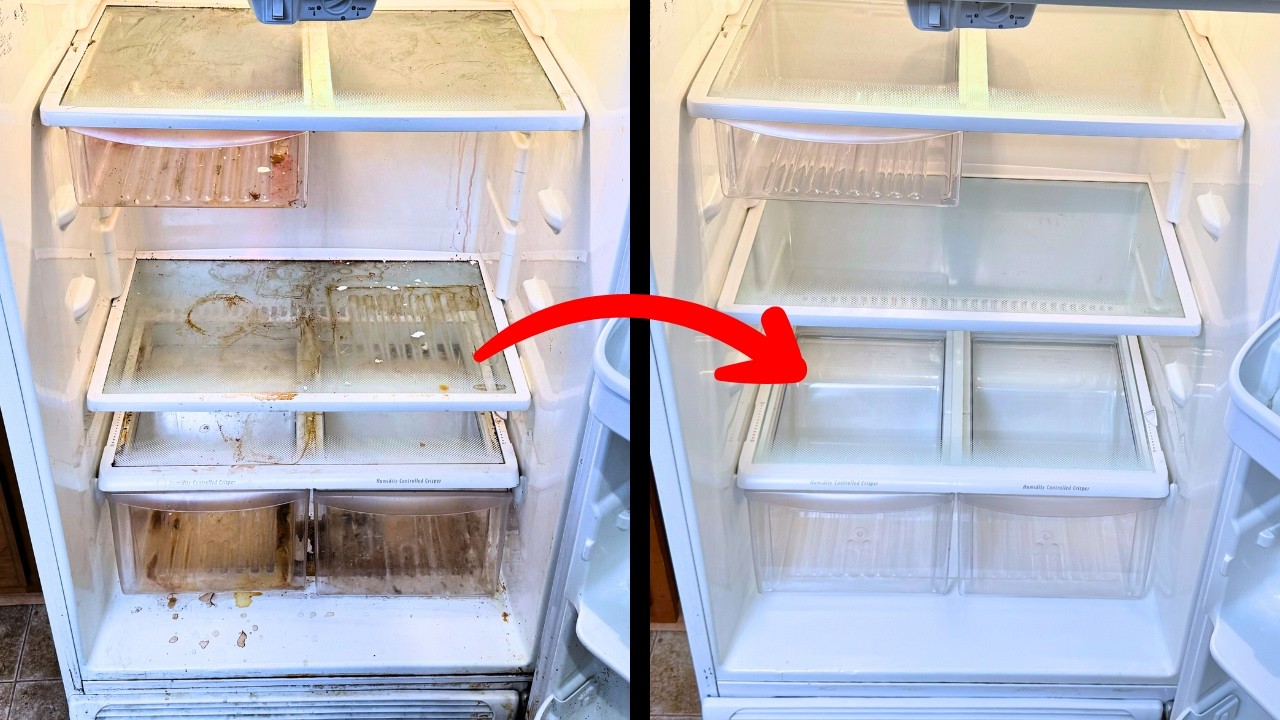
| Shelves + bins | Out, soaked, degreased, rinsed | Removes fermented spills |
| Gaskets | Fold-by-fold brush detailing | Mould hides here; seal restores |
| Drain hole + tray | Cleared and sanitised | Source of most fridge odour |
| Crisper + deli drawers | Out, soaked, humidity-slider cleaned | Rotten-vegetable residue capital |
| Door bins + egg racks | Out, soaked, refitted | Sauce drips and expired sachets |
| Freezer + ice trays | Defrost-assisted, wiped, trays washed | Frost harbours odour; ice tastes it |
| Coils (back) | Dusted for efficiency | Dusty coils raise power bills |
| Exterior + handle | Polished, fingerprint-free | Touch-point hygiene |
Baking-soda finish absorbs residual odour. Empty the fridge before the slot — the staging plan below makes it painless.
Single vs Double Door vs French Door: What Actually Changes
Double doors roughly double gasket length, add a second evaporator zone with its own drain, and often include an ice/water dispenser line that needs flushing and sanitising. Side-by-side and French-door models add dispenser trays that grow biofilm fastest of all — dispenser drip trays are the single most bacterial surface in premium kitchens, cleaned in no routine wipe-down ever. Convertible deep-freezer compartments get defrost-first sequencing so meltwater never meets the fresh detail. Single doors take about 45 minutes; large French-door units up to 90. The add-on quote steps with size for these physical reasons, stated upfront from your model description.
Microwave: Steam, Not Scraping
Steam-softened grease release (bowl of water with lemon, 3 minutes, wipe — the physics professionals scale up, not a home remedy), waveguide cover wiped (never soaked — moisture behind mica ends in sparking), turntable and roller ring removed and washed, door seals detailed (dried food on seals breaks the microwave seal incrementally), cavity coating preserved — abrasives are banned here. Burnt-sugar carbon that has eaten the coating is flagged, not hidden: exposed metal cavities arc, and arcing microwaves are repair-or-replace cases, not cleaning cases. Convection-microwave hybrids add heating-element grease (baked harder than microwave-only splatter) and need the longer protocol — state the model type on booking.
OTG, Air Fryers and Small Appliances
Small appliances join the detail on request within the same visit — no separate trip economics needed. OTGs: crumb-tray and element-guard degrease (baked-on grease smokes at temperature, which is how owners discover the problem). Air fryers: basket and drawer degrease plus heating-element wipe (rancid oil residue taints every subsequent batch — the "my air fryer smells" complaint is always this). Mixer-grinder jars and chimney-adjacent smalls get seal and gasket attention. Chimney internal dismantling and duct runs stay technician work — stated plainly so expectations never blur. List every unit on booking; time allocation follows the inventory, and the add-on figure reflects pieces, not promises.
Odour Truth Table: Source-to-Solution
| Smell | Source | Fix |
|---|---|---|
| Sour milk / spoiled food | Spills behind crispers, drip tray | Full shelf-out detail + tray sanitise |
| Fish / masala persistence | Gasket folds, drain hole | Gasket brush detail + baking-soda finish |
| Musty / damp | Gasket mould, clogged drain | Anti-fungal detail + drain clear |
| Burnt / electrical | Compressor or wiring fault | Service, not cleaning — diagnosed free |
| Microwave staleness | Baked splatter film | Steam release + full cavity detail |
Dead-compressor or refrigerant smells mean appliance service, not cleaning — we say so and charge nothing for the diagnosis. For whole-home freshness after the detail, pair with a home deep clean; newborn homes should read the baby-safe protocol for food-zone chemistry.
Food Safety Reset: Expiry, Zones and Cross-Contamination
Every appliance detail includes a food-safety sweep, because expired stock re-contaminates clean shelves within days. The protocol: all packets, bottles and jars checked — expired out (bagged for owner confirmation, never binned unasked), near-expiry flagged verbally, mystery containers opened and identified. Temperature-zone discipline follows: raw meat and fish lowest shelf only (drip contamination flows downward — the single most important fridge rule), dairy and cooked food middle, condiments in door bins (warmest zone — never milk or eggs there despite the moulded racks suggesting otherwise), vegetables in humidity-controlled crispers. Cross-contamination audit covers cutting-board and knife storage nearby (raw vs cooked separation), sponge age (replace monthly — sponges are the kitchen's highest-bacteria object), and hand-towel rotation. Rental kitchens with inherited stock get the full archaeology treatment: previous tenants' expired goods are the norm, not the exception, and the sweep routinely fills a bag before cleaning even begins.
Coils, Compressors and Power Bills
Refrigerators run 24×7, and condenser coils — black radiator grids at the back or beneath — shed heat to keep the cycle efficient. Dust-insulated coils force longer compressor cycles for identical cooling: heavy dust loads add an estimated 10–15% to fridge power draw, plus compressor wear that shortens appliance life. Coil dusting during the detail restores rated efficiency in twenty minutes — the highest-ROI twenty minutes in appliance maintenance, invisible in every routine wipe-down ever. Compressor surroundings get clearance checks (ventilation gaps blocked by stored items overheat units), and door-seal integrity is tested with the paper test (a banknote should resist pulling from a closed seal at multiple points; failing seals leak cold air continuously and deserve replacement, not cleaning). Post-detail, owners typically notice quieter cycling within days — shorter runs, longer rests, lower bills. Annual coil discipline alone pays for the appliance detail several times over in power savings.
The Staging Plan: Emptying Without the Chaos
"Empty the fridge" panics owners unnecessarily — the staging plan makes it a 15-minute routine. Cooler bags or insulated boxes (two large ones handle a double door) staged with ice packs or frozen bottles; perishables grouped by zone as removed (dairy together, cooked together, veg together — the regrouping doubles as the expiry sweep); freezer contents stay frozen longest and come out last, go back first; medicines and baby food segregated and prioritised (temperature-sensitive, first back in). The crew works shelf by shelf so emptied zones refill progressively — the fridge is never fully warm for more than an hour. Summer bookings add urgency discipline: staging runs faster, coolers stay closed, and the detail sequences freezer-first. Owners without cooler bags get the bathtub-and-ice workaround briefed on the confirmation call — inelegant, effective, free.
Rental Kitchens: Inherited Appliances, Unknown History
Rented 1RKs and PGs hand over appliances with unwritten histories — years of previous tenants' spills, expired stock in door bins, microwaves last detailed never. Move-in protocol: full appliance detail day one (before groceries enter — loading food into uncleaned shelves contaminates the new stock immediately), expiry sweep of every inherited packet and bottle (routinely a full bag), gasket and seal assessment (replacement flagged where perished — landlord's cost in most agreements), and photographic documentation of pre-existing stains and damage (deposit defence extends to appliances). PG operators should run appliance details between occupants as turnover standard — shared fridges accumulate the most disputed grime in shared housing, and photographed clean baselines end the arguments. Landlord-provided microwaves past their safe life (arcing, coating loss, door-seal failure) get written replacement recommendations, not heroic cleaning attempts.
Festive Load: Diwali Cooking Marathons and Aftermath
Diwali transforms home kitchens into production lines — days of frying, sweets storage competing for fridge space, and guest traffic raiding stocks. Pre-festival detailing plus space planning handles the surge: shelves reorganised by event menu (sweets zone, savouries zone, guest overflow zone), freezer decluttered for advance cooking, microwave descaled before peak use. Post-festival reset clears the specific aftermath: oil aerosol film on every nearby surface, sweet-box sticky residue in shelves, expired festive stock swept out, and odour neutralised before normal cooking resumes. The same pattern serves wedding-season and housewarming cooking loads. Booking rhythm: pre-festival slot 1–2 weeks before (peak demand — reserve early), post-festival reset within the week after, while soils are fresh and tickets stay standard with no festival surcharge.
Pantry Pests: Cockroaches, Weevils and the Appliance Connection
Kitchen appliances harbour pests structurally — fridge compressor warmth, microwave cavity crumbs, OTG grease. German cockroaches colonise motor housings and hinge voids (visible daytime roaches mean large hidden populations); weevils arrive in dry goods packaging and spread shelf to shelf; ants trail to drip zones and sweet spills. The cleaning-first doctrine: degrease and declutter removes the food base that sustains colonies, seal pipe gaps and hinge voids, transfer all dry goods to airtight containers (weevils cannot penetrate them; cardboard is a suggestion, not a barrier), and empty trash nightly. Gel bait in closed voids handles residuals; airborne sprays near food zones are never used on our jobs. Appliance exteriors get harbourage inspection during the detail — droppings behind the fridge change the job from cleaning to cleaning-plus-pest-referral, stated plainly with photos. Post-detail, the airtight-container discipline alone prevents 90% of recurrence; pest control without it is mopping with the tap running.
How Often: the Appliance Calendar
| Appliance | Professional detail | Owner habits between |
|---|---|---|
| Fridge | Every 6 months | Weekly shelf wipe, monthly gasket wipe, quarterly coil dusting |
| Microwave | Quarterly (heavy use) | Steam-wipe after splatter cooking, weekly seal wipe |
| OTG / air fryer | With each kitchen detail | Crumb-tray emptying per use, monthly degrease |
| Chimney | With each kitchen deep clean | Filter rinse monthly (cassette types) |
Rental kitchens with unknown history get the full detail on move-in day — you inherit no one's spills.
Seven Appliance Mistakes Gurgaon Kitchens Make
- Bleaching fridge interiors: corrodes aluminium trim, degrades gaskets, leaves odour-tainting residue. Food-safe degreasers exist for this exact job.
- Scraping microwaves with steel wool: destroys cavity coating in one session — arcing follows. Steam and soft cloths only.
- Ignoring the drip tray: the tray behind/beneath most fridges breeds the odour blamed on "old fridge smell." Emptied and sanitised in every detail.
- Overloading door bins: stresses hinges and warps seals — doors that don't close properly frost the freezer and rot efficiency.
- Storing milk in door bins: warmest zone in the fridge; milk sours days early. Dairy belongs on middle shelves.
- Never defrosting manual freezers: frost over 5mm insulates cooling and harbours odour. Defrost quarterly.
- Sealing a damp fridge for vacation: locked moisture grows mould across every surface within weeks. Leave doors ajar on long trips with power off and interiors dry.
Three Real Appliance Jobs: Notes
DLF Phase 1, French-door, 3 years never detailed — 90 minutes
Dispenser tray biofilm the worst seen that quarter; gaskets moulded at folds; coils dust-matted (power-draw conversation followed). Full detail plus dispenser sanitisation; owner added the 6-month cycle on the spot after seeing the coil dust bag.
Sector 51 rental, inherited fridge + microwave — 75 minutes
Previous tenant's expired stock filled half a bag before cleaning began; microwave waveguide splattered solid. Both reset to new-look; photo set delivered for the tenant's deposit file. Move-in groceries entered clean shelves the same evening.
Sushant Lok, burning smell complaint — 20 minutes, no charge
Diagnosis visit: dust-choked coils plus a failing start relay (electrical fault, not soil). Coils dusted free; relay referred to service with a written note. The honesty earned the family's full-home booking the following month — diagnosis integrity compounds.
Water Dispensers, Ice Makers and Filters
Through-the-door dispensers are convenience marvels and hygiene nightmares in equal measure. Drip trays collect every spill and grow biofilm within weeks — removed, soaked and sanitised in every detail, with drain channels cleared. Ice-maker bins harbour stale-ice odour and scale: bins emptied, washed and air-dried; first post-clean ice batch discarded (it carries loosened scale and sanitiser trace); water lines flushed where accessible. External water filters (pre-filters common in Gurgaon hard-water homes) get housing wiped and change-date checked — overdue filters (beyond 6–12 months per specification) are flagged, since exhausted filters channel hard water straight to the dispenser. Internal fridge filters follow manufacturer schedules the crew verifies from the model sticker. Dispenser paddle mechanisms and child locks are function-tested after detailing; sticky paddles indicate internal syrup ingress needing technician attention, reported with photos rather than forced.
Deep Freezers and Second Fridges
Gurgaon joint families and bulk buyers run chest freezers and second fridges that accumulate years of frost and forgotten stock. Chest freezers need planned defrosting (unplug 6–8 hours before the slot — scheduled on the confirmation call, never sprung on owners), full inventory triage during the thaw (freezer-burned stock older than safe windows is discarded with permission), interior sanitisation, gasket detailing and drain-plug service. Second fridges (balcony and store-room units) suffer ambient-heat inefficiency plus neglect — coils work harder in 40°C+ ambient, and door seals perish faster. Both units get the full shelf-out protocol scaled to volume. The economics favour consolidation honestly: two half-empty ageing units often cost more in power than one efficient replacement, and the detail visit is the right moment for that arithmetic — measured consumption estimates against replacement payback, stated plainly with no appliance to sell.
Chimney Pairing: the Full Kitchen Grease System
Fridge and microwave detailing handles food zones; the chimney handles airborne grease — and the two soils meet on every nearby surface. A kitchen deep clean pairs all three: chimney exterior plus filter-housing degrease (dismantling internals stays technician work, stated plainly), hob and backsplash degrease, cabinet interiors, plus the appliance detail from this page. The sequencing matters: chimney first (heaviest grease, longest dwell), appliances during chimney dwell, cabinets and tiles to finish. Ducted vs ductless chimneys change the protocol — ductless recirculating units need charcoal-filter replacement schedules (saturated filters recirculate grease instead of capturing it; replacement flagged on inspection), while ducted runs need duct-access assessment for technician referral. Homes cooking tadka-heavy daily menus without chimney servicing accumulate flammable grease layers in filters within months — a genuine fire risk the detail visit quantifies honestly, not theatrically. The paired kitchen-plus-appliance ticket is the most-booked combination in our system precisely because grease is one system, not three jobs.
Appliance Lifespan: Maintain, Repair or Replace
| Symptom | Verdict | Why |
|---|---|---|
| Heavy soil, sound function | Detail | Exactly what cleaning fixes |
| Weak cooling, clean coils | Service (gas/electrical) | Refrigeration fault, not soil |
| Perished gaskets, rusted body | Repair or replace | Structural decay beyond cleaning |
| Microwave arcing, coating gone | Replace | Safety fault; no cleaning question |
| Over 12–15 years, working | Plan replacement | Efficiency gains pay back fast |
| Burning/electrical smells | Service immediately | Fault, possibly hazardous |
The efficiency argument for replacement deserves numbers: a 15-year-old fridge draws roughly double a modern inverter unit for identical cooling — at Gurgaon tariffs, the power saving alone repays a mid-range replacement within 3–4 years, before reliability and food-safety gains. Our crew diagnoses honestly and sells nothing; the replacement conversation happens with measured observations, never sales pressure.
Commercial Kitchens: PG, Hostel, Office and Cloud Kitchens
Shared and commercial kitchens multiply every domestic problem by users and hours. PG and hostel kitchens: multiple cooks, unknown histories, peak-hour chaos — appliance details run quarterly minimum with photo baselines per term, and operator billing consolidates monthly on GST invoice. Office pantries: coffee-machine surrounds, shared-microwave abuse (thirty users, zero ownership — the waveguide cover never survives without scheduled care), and fridge zones needing labelled-shelf discipline to prevent cross-contamination disputes. Cloud and tiffin kitchens: FSSAI-adjacent hygiene expectations with documentation — wash logs, chemical food-safe certifications produced on request, and scheduling around production windows (never mid-service). The commercial protocol differs structurally from domestic: faster passes, harder degreasers within food-safe limits, documentation as deliverable, and after-hours execution standard. Volume slabs apply; facility managers get the consolidated calendar treatment with all units tracked centrally.
Placement and Ventilation: Where the Fridge Lives Matters
Refrigerators are heat pumps — they move heat from inside to outside, and the outside must accept it. Placement failures we find weekly: fridges jammed into alcoves with zero rear clearance (coils recycle their own heat — efficiency collapses, compressors run continuously), units beside ovens and direct-sun windows (ambient heat the machine fights all day), and store-room placements in 45°C summer heat (compressors never rest, lifespans halve). The rules are simple and free: 5–10 cm clearance behind and above, never beside heat sources, levelled feet (unlevel doors break seals progressively), and stabiliser-correct power where voltage swings (Gurgaon outskirts and high-rises with generator changeovers spike regularly — a ₹1,500 stabiliser protects a ₹40,000 appliance). Microwaves need their own discipline: ventilated placement (blocked vents overheat magnetrons), dedicated sockets (high draw on shared strips trips and degrades), and height that avoids spill trajectories. The detail visit audits placement as standard — repositioning advice costs nothing and saves compressors.
Power Cuts, Voltage Swings and Generator Changeovers
Gurgaon power is better than its reputation and worse than its promise — summer cuts, DG changeover spikes, and society-maintained backup of varying quality. Refrigerators tolerate brief cuts well (unopened full freezers hold safe temperatures 24–48 hours; fridges 4–6 hours), but changeover spikes damage control boards cumulatively. Protocol stack: stabiliser or spike-guard on every major appliance (non-negotiable on generator-backed societies), post-cut discipline (don't open doors to "check" — every opening dumps the cold reserve), and spoilage triage after long outages (dairy and cooked food above 5°C for 4+ hours goes out — no tasting tests, no exceptions). Microwaves and OTGs unplug during storms (lightning-induced surges target heating elements preferentially). Inverter and solar-hybrid homes should confirm appliance circuits actually sit on backup — discovering the fridge wasn't backed up mid-cut is preventable with a five-minute mapping exercise the crew can walk through on request.
Vacation Proofing: Leaving Appliances for Weeks
Locked-home appliance failures are the classic return-from-holiday surprise — preventable with a 20-minute shutdown routine. Short trips (under a week): fridge stays on, perishables cleared or frozen, ice maker off, water dispenser line closed where valved, microwave unplugged (storm-surge protection). Long trips (weeks to months): full defrost and dry (unplug, doors propped open with towels — sealed damp fridges grow mould across every surface within weeks, the single worst return surprise in home appliances), pantry cleared of perishables and pest attractants, gas regulators closed, appliance plugs out except security essentials. Monsoon vacations add the damp dimension — a dry open fridge beats a sealed humid one in every case. On return: inspect before loading (smell test, mould check, seal check), run empty for 4–6 hours to stabilise temperatures, then stock. NRI-locked homes on caretaker cycles should schedule the appliance check into every caretaker visit — five minutes that prevents the mould-bloom discovery months later.
Second-Hand Appliances: Inspection Before You Accept
Hand-me-down fridges and microwaves circulate through Gurgaon housing groups constantly — free or nearly so, with unknown histories. The pre-acceptance inspection: run the fridge 24 hours before deciding (cooling to specification? compressor cycling normally, not continuously? unusual noises, smells, or heat from the body?); check door seals with the banknote test at multiple points; inspect gaskets for mould colonisation beyond economical treatment; verify dispenser, ice maker and lights function; for microwaves, heat a water cup (boil time indicates magnetron health), inspect cavity coating integrity (arcing history shows as pinholes and scorch marks), test door latch and seal (microwave leakage is a safety matter, not cosmetic). Reject anything with refrigerant smells, arcing damage, or structural rust — free appliances with these faults are expensive. Accepted units get the full detail before first use (unknown-history protocol: expiry sweep irrelevant, but biological history unknown — treat as full reset), plus stabiliser and placement audit. A free working fridge plus a professional detail beats a budget new unit of dubious efficiency — provided inspection passed honestly first.
Buying Right: the Maintenance Lens on New Appliances
Purchase decisions encode a decade of cleaning effort — buy for maintenance, not showroom shine. Refrigerators: frost-free over manual-defrost (no quarterly defrost labour), convertible zones for flexible households, documented service networks in Gurgaon (compressor warranties mean nothing without local service), and energy ratings verified against actual tariff math (a 5-star premium repays within 2–3 years at current rates for 24×7 operation). Finish choice matters for cleaning: matte and textured finishes hide fingerprints but trap grease in texture (degrease-compatible); glass doors show everything but wipe in seconds; stainless needs grain-direction discipline to avoid visible streaking. Microwaves: solo vs convection decided by actual cooking (convection elements double cleaning load — buy only if baking genuinely happens), cavity size matched to dish sizes (oversized cavities waste energy and cleaning effort), and child-lock features for toddler homes. The showroom questions that predict ownership happiness: gasket replacement part availability and cost, shelf and bin spare pricing (the first breakages), service-centre distance, and stabiliser-free operation ratings for voltage-volatile societies. Our crew's placement and stabiliser audit applies to new installations free — book the detail for week two, after manufacturing residues and transit dust are identified but before groceries commit.
Appliance Myths That Cost Owners Money
Myth one: "newspaper cleans glass best" — newsprint ink transfers to seals and leaves residue modern microfibre avoids; the myth predates coated glass and quality cloth. Myth two: "lemon alone disinfects" — citric acid degreases lightly and deodorises, but disinfects nothing at food-safety standards; pleasant smell is not sanitation. Myth three: "more detergent means cleaner" — excess surfactant leaves residue films that attract soil faster (the reason over-soaped fridges smell worse weeks later). Myth four: "frost keeps food fresher" — frost insulates cooling, harbours odour and signals seal failure; frost-free operation is strictly superior. Myth five: "microwaves destroy nutrients" — microwave heating preserves nutrients comparably or better than prolonged conventional cooking; the cleaning-relevant truth is that nutrient-rich splatter feeds bacterial films fastest, so microwave hygiene matters more, not less. Myth six: "the freezer kills everything" — freezing pauses bacterial growth without killing most pathogens or denaturing allergens; thawed food resumes exactly where it paused, which is why freezer hygiene and stock rotation matter as much as fridge discipline.
Organisation Systems That Stay Clean by Design
Clean fridges stay clean through organisation, not willpower. Zone by temperature reality (coldest back-bottom for raw proteins, stable middle for dairy and cooked food, warm door bins for condiments only), contain by category (clear bins per food group — spills stay inside one washable container instead of across glass shelves), label with dates (masking tape and marker — the 30-second habit preventing the mystery-container archaeology every detail uncovers), and run first-in-first-out visibly (new stock behind old stock, always). Transparent turntables and shelf liners (washable, changed quarterly) convert shelf cleaning from scrubbing to swapping. The weekly 5-minute reset (toss expired, wipe one shelf on rotation, check temperatures) maintains detail results indefinitely; households running this system report subsequent professional details taking measurably less time. Rental and shared fridges need shelf-allocation agreements (labelled zones per occupant prevent both cross-contamination and the diplomatic incidents of "who finished my curd").
Baby Bottles, Medicines and Special Storage
Fridges store more than food, and each special category has rules. Baby bottles and expressed milk: dedicated shelf zone (never door bins — temperature stability matters most here), sterilised-before-storage discipline, date labelling mandatory (milk storage windows are hours, not days, at fridge temperatures), and bottle-brush hygiene (brushes replaced monthly — biofilm colonises them invisibly). Medicines requiring refrigeration (insulin, certain antibiotics, biologics): manufacturer temperature ranges observed strictly (2–8°C typical — door bins and freezer-adjacent zones violate both ends), never frozen unless specified (freezing destroys most liquid formulations silently), stored upright in original packaging with desiccants where supplied, and segregated from food contact. Cosmetics and skincare with active ingredients follow label ranges; probiotics and cultures need their specified bands. The detail visit maps these zones with the household and labels shelf allocations — special storage fails through casual placement, and placement discipline is free.
Appliance Fires: Prevention and Response
Kitchen appliance fires are rare and catastrophic — prevention is procedural, response is rehearsed. Prevention: chimney filters degreased on schedule (grease-laden filters ignite from normal cooking flames — the commonest kitchen-fire mechanism in Indian homes), microwave cavities kept free of foil and metal-trimmed crockery (arcing ignites residue), OTG crumb trays emptied (accumulated crumbs smoulder), sockets never overloaded with heating appliances on multi-plugs, and gas-line leak checks on schedule (soap-bubble test at joints, regulators replaced at expiry dates stamped on the body). Response: smother (lid or damp cloth — never water on oil or electrical fires), isolate power and gas first where safely reachable, evacuate and call fire services before heroics (101 in India; Gurgaon response covers urban sectors rapidly), and keep a dry-powder extinguisher (ABC type, 2kg minimum) mounted near — not inside — the kitchen with the household trained on pull-aim-squeeze-sweep. Post-incident, soot contamination needs professional assessment before reoccupation; our emergency guidance covers triage, documentation and referral honestly, including when spaces are write-offs for cleaning purposes.
Splatter Science: Why Microwaves Soil Unevenly
Microwave soiling follows physics owners can exploit. Standing-wave hotspots superheat localised food zones (the exploding dal phenomenon), uncovered high-moisture foods aerosolise furthest, and tall containers focus splatter on the waveguide cover and ceiling — the two zones most owners never wipe. Prevention hierarchy: loose covers on everything (vents steam without containing pressure — sealed covers explode messily), mid-cycle stirring for dense foods (evens heating, halves hotspot eruptions), wipe-down while warm after heavy sessions (ten seconds now beats ten minutes later), and waveguide-cover inspection monthly (replacement covers cost little; damaged ones arc). Reheating without covers is the single behaviour change with the largest maintenance payoff in the appliance's life — covers cost under ₹200 and eliminate 90% of cavity soil. Households adopting cover discipline report microwave details taking half the time on subsequent visits; the crew notices immediately which kitchens cover and which don't.
The Renter's Appliance Handover File
Appliances generate a disproportionate share of rental deposit disputes relative to their size — small surfaces, close inspection, ambiguous wear. The handover file that ends arguments contains: move-in photographs of every appliance interior and exterior (timestamped, close-up on pre-existing stains, damage and wear), the written inventory with model numbers (matching the agreement's annexure — mismatches flagged day one, not at exit), service and detail records through the tenancy (our visit invoices double as condition evidence), and move-out photographs replicating every move-in angle after the exit detail. Deduction lines map to evidence directly: pre-existing damage (move-in photos) is never chargeable; fair wear (gasket ageing, minor shelf scratches) falls under landlord maintenance; tenant damage (burns, breaks, neglect stains beyond cleaning) settles at documented repair cost. Tenants assembling this file spend an hour at each end of the tenancy and save multiples of it in protected deposits — the highest-ROI paperwork in renting.
First Appliance Detail? What Changes Afterward
First-time details produce the same three surprises across hundreds of Gurgaon kitchens. First, odour neutrality owners forgot existed — the background fridge smell normalised over years vanishes, and groceries taste cleaner within days (odour cross-taint is real, especially dairy absorbing neighbouring smells). Second, efficiency audibly improves — shorter compressor cycles, quieter nights, and power bills that dip measurably where coils were matted. Third, food waste falls — visible organised shelves get used before expiry, while forgotten crisper archaeology ends; households routinely report lower grocery waste in the month after detailing. Photograph interiors before and after the first job — the comparison calibrates every future maintenance decision, and the interval at which shelves visibly soil again (minus a margin) is the personal detail cycle. The second detail costs the same ticket but runs faster; baselines never return to day-one levels under the calendar habits above.
Referrals and Kitchen Clusters
Appliance details cluster perfectly with kitchen deep cleans and neighbour bookings — same tower, consecutive flats, shared crew day. Two kitchens in one society on the same day share travel, setup and supervision; both save against standalone tickets with identical per-appliance work. Festival-season group bookings (Diwali pre-clean campaigns on tower groups) run as scheduled days with transparent cluster pricing. Mention the neighbour, tower and preferred shared date on booking; dispatch builds the cluster around it. The pattern holds across all services, but kitchen work clusters best: contained zones, fast rooms, visible results that sell the next door immediately.
Five Questions to Ask Before Any Appliance Detail
- Are your chemicals food-safe, and will you rinse? Expect named food-safe products plus a stated rinse step — degrease without rinse leaves residue that taints food and attracts soil.
- How do you handle my fridge model specifically? Expect gasket, dispenser and coil specifics for the stated model — generic "we clean all fridges" signals no model literacy.
- What happens if you find a fault? Expect free diagnosis with photos and honest service-vs-cleaning triage — cleaners who "fix" compressors or waveguide faults on the spot are improvising dangerously.
- Do I pay before or after? After the walkthrough with interiors inspected shelf by shelf — prepayment removes the leverage guaranteeing detail discipline.
- What should I do between details? Expect the calendar habits (coil dusting, gasket wipes, seal tests) — crews invested in maintenance intervals sell fewer emergency revisits and more trust.
The Decade View: Appliance Lifetime Economics
Amortise honestly and appliance economics clarify. A ₹45,000 refrigerator detailed twice yearly (add-on tickets inside kitchen cleans) costs roughly ₹12,000–15,000 in professional care across a 12-year life — against power savings from clean coils (10–15% of running cost recovered), food-waste reduction from organised visible shelves, and lifespan extension from early fault detection (failing seals, struggling compressors caught at detail visits, not at breakdown). Neglected units die early: compressors overworked behind dust mats, gaskets leaking cold air for years, interiors too soiled for safe food storage. The pattern generalises across appliances — maintenance at ~2–3% of purchase price annually roughly doubles effective service life while halving decade cost. Buy for serviceability (documented spares, local service, stabiliser-free ratings), maintain on the calendar above, replace on the lifespan matrix — the decade-optimised strategy this entire guide has built toward, one detail at a time.
Smart Fridges and Connected Features: Cleaning Around Electronics
Screen-door and app-connected refrigerators add electronics to the existing water-plus-food equation — and electronics change cleaning rules. Touchscreens take dry microfibre only (sprayed cleaners seep behind bezels and kill digitisers — a replacement cost exceeding several detail tickets); camera lenses inside smart fridges wipe with lens-grade cloth, never chemicals that fog optics; door-ajar and temperature alarms get function-tested after detailing (sensors knocked during shelf removal cause false alerts for weeks). Software stays untouched — no Wi-Fi resets, no account logouts, no firmware interactions, stated explicitly at briefing since "helpful" crew interactions with smart features cause the majority of connected-appliance service calls industry-wide. Voice-assistant integrations and family-hub calendars are demoed back to working state before sign-off where the detail touched their zones. The underlying principle: clean around the computer, never through it — the appliance division of labour between cleaning crew and electronics technician is absolute, and the walkthrough verifies both halves independently.
First Appliance Detail? What Changes Afterward
First-time details produce consistent surprises: odour neutrality owners forgot existed (background fridge smell normalised over years vanishes; groceries taste cleaner within days as cross-taint ends), efficiency audibly improving (shorter compressor cycles, quieter nights, power bills dipping where coils were matted), and food waste falling (visible organised shelves get used before expiry instead of rotting in crisper archaeology). Photograph interiors before and after — the comparison calibrates every future maintenance decision, and the interval at which shelves visibly soil again (minus a margin) is the personal detail cycle. Manufacturing residues in new appliances (oils, packaging dust, transit films) deserve a week-two detail before groceries commit — new-unit detailing is the cheapest scheduled clean in the appliance's life. The second detail costs the same ticket but runs faster; baselines never return to day-one levels under the calendar habits above, and each cycle compounds the last.
Booking
Add to any kitchen clean or BHK booking. WhatsApp +91 92679-05943 with fridge size for the add-on figure. Pay after walkthrough.